Insights
Real experiences and insights that shape outcomes

e-Governance projects play a vital role in transforming public service delivery and promoting efficient governance through the effective use of technology. However, these projects require careful planning and consideration to ensure their success. To ensure successful e-Governance projects, a thoughtful and strategic approach is necessary. This involves actively engaging stakeholders, including government officials, citizens, and technology experts, right from the start. A comprehensive needs assessment helps tailor solutions to meet specific requirements and challenges. User-centric design principles ensure intuitive and user-friendly interfaces that cater to diverse user needs. Robust security measures protect citizen data and transactions, while scalability and interoperability enable seamless integration and accommodate growing demands. A reliable technology infrastructure is crucial for uninterrupted service delivery, and change management initiatives and capacity building enhance adoption and digital skills. By following this approach, e-Governance projects can transform public services, improve governance, and foster transparency and efficiency.
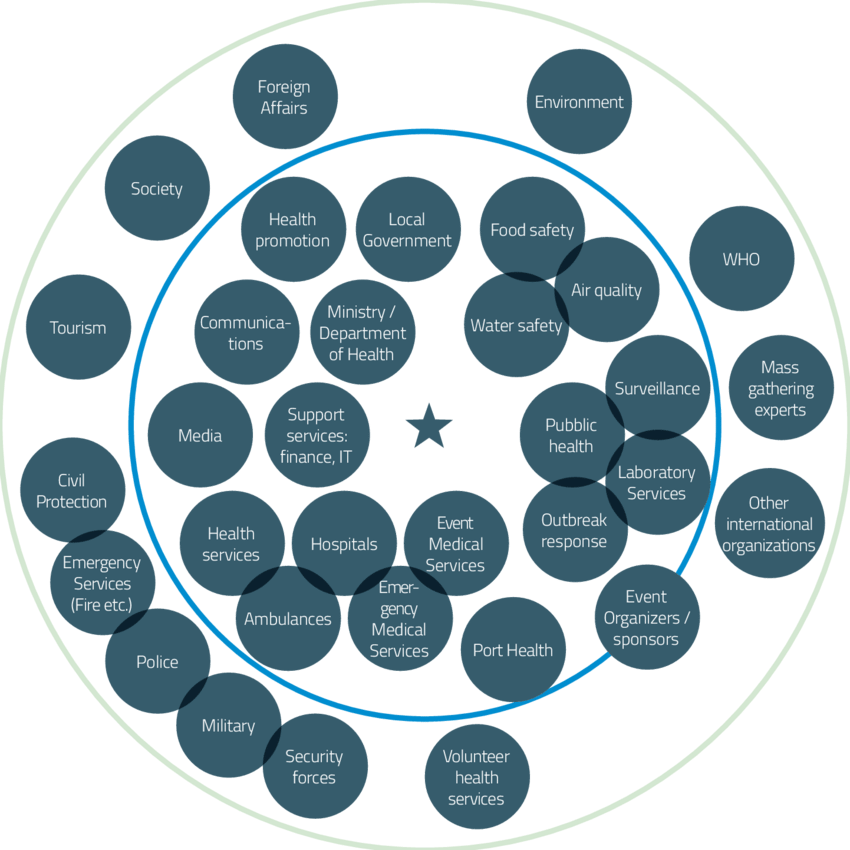
Here are the seven key considerations that are crucial for the implementation and sustainability of e-Governance initiatives.
One of the foundational aspects of any e-Governance project is active stakeholder engagement. It is essential to involve all relevant stakeholders, including government officials, citizens, and technology experts, from the initial stages of planning through to implementation. Regular communication, consultation, and collaboration with stakeholders’ foster buy-in, alignment of objectives, and the identification of potential challenges, leading to effective and sustainable solutions.
Engaging stakeholders is crucial for the success of e-Governance projects. It involves involving key stakeholders such as government officials, citizens, and technology experts from the beginning. This inclusive approach ensures that their perspectives and requirements are considered, fostering ownership and involvement. Regular communication and consultation maintain transparency and trust. Stakeholder engagement aligns project objectives with stakeholder needs and identifies potential challenges, allowing for effective solutions. Collaboration among stakeholders promotes innovation and sustainable solutions. Stakeholder engagement is an ongoing process that includes feedback loops and updates to address changing needs and maintain support throughout the project.
Before embarking on an e-Governance project, conducting a comprehensive needs assessment is vital. This assessment helps identify the specific requirements and challenges of the target audience, ensuring that the project addresses their needs effectively. Understanding the existing infrastructure, digital literacy levels, and available resources will inform the development of a tailored and sustainable solution. Here are the benefits:
In order to ensure a successful e-Governance project, several considerations related to understanding the target audience and designing a tailored solution should be taken into account. This includes conducting a comprehensive evaluation of the current system to identify any gaps or inefficiencies that need to be addressed. The requirements gathering phase should cover aspects such as accessibility, usability, security, and integration with existing systems. Assessing the digital literacy and capacity of the target audience helps in designing user interfaces, providing training programs, and implementing support mechanisms to ensure effective engagement with the system. It is important to identify specific challenges, including cultural, linguistic, or geographical factors, as well as potential legal or regulatory barriers that may impact user adoption or service delivery. Evaluating the available resources is essential to determine the project’s feasibility and sustainability. By considering these factors and designing a tailored and sustainable solution, e-Governance projects can effectively meet the specific needs of the target audience and ensure long-term success.
User-centric design is the key to ensuring the success and adoption of e-Governance projects. The platform or application should be intuitive, accessible, and user-friendly, catering to the diverse needs and digital literacy levels of the target users. Conducting usability testing and incorporating feedback from end-users during the design and development process will lead to a more effective and user-friendly solution.
In order to ensure a successful e-Governance project, several considerations related to user-centric design should be taken into account. This includes conducting user research to understand their demographics, preferences, behaviours, and specific needs when interacting with the system. Usability testing and iterative design are important for gathering feedback and refining the system based on user interactions. Accessibility and inclusivity should be prioritized by adhering to guidelines, providing alternative formats, and employing assistive technologies. An intuitive user interface reduces the learning curve and enhances user engagement. Personalization options such as language preferences and customizable features contribute to user satisfaction. Clear communication channels and feedback mechanisms empower users to contribute to system improvements. Continuous user engagement is crucial for gathering insights and addressing evolving user needs. By considering these user-centric design principles, e-Governance projects can deliver a seamless and user-friendly experience for all citizens.
Given the sensitive nature of government data and transactions, security should be a top priority in e-Governance projects. Implementing robust security measures, such as data encryption, secure authentication protocols, and regular security audits, is crucial to safeguarding citizen information and maintaining public trust in the system. Compliance with relevant data protection regulations is essential.
To ensure robust security in an e-Governance project, several measures should be implemented. Data encryption algorithms and protocols like SSL or TLS should be used to secure data transmission, while data at rest should be encrypted to prevent unauthorized access. Secure authentication protocols, regular password updates, and user education on secure authentication practices are crucial. Access control and privilege management should be employed to restrict access to sensitive information. Regular security audits help identify and address vulnerabilities, ensuring the effectiveness of security measures. Data protection and privacy impact assessments mitigate privacy risks. Incident response and disaster recovery plans maintain business continuity. Security awareness and training educate users about threats, scams, and safe practices, fostering a secure e-Governance environment.
e-Governance projects should be designed with scalability and interoperability in mind. As user volumes and requirements increase over time, the system should be able to handle the growing demands without compromising performance. Additionally, ensuring interoperability with existing government systems and platforms allows for seamless integration, data sharing, and efficient service delivery.
To ensure scalability in an e-Governance project, adopting a flexible architecture is essential. This includes factors such as horizontal and vertical scalability, efficient code design, caching mechanisms, load balancing techniques, and regular performance testing. Cloud-based solutions offer scalability and elasticity through on-demand resource provisioning. Distributed storage solutions, Big Data technologies, and cloud computing can facilitate scalable data management and analysis.
Data sharing and interoperability play a crucial role in streamlining service delivery and improving efficiency. This involves implementing common standards like XML, JSON, or web services for easy data exchange and integration. APIs enable data sharing, service integration, and collaboration with third-party developers. Adhering to data protection regulations and privacy standards is vital for maintaining secure interoperability. Middleware or integration platforms can facilitate data exchange between legacy systems and the e-Governance infrastructure. Engaging in partnerships and establishing data sharing agreements foster a unified approach to service delivery and enhance overall governance.
The success of e-Governance projects relies heavily on the availability of a robust and reliable technology infrastructure. Adequate internet connectivity, data centers, and backup systems are essential for uninterrupted service delivery. Investing in infrastructure upgrades and maintenance is crucial to support the scalability and long-term sustainability of the project.
Ensuring connectivity in urban and rural areas is crucial for promoting inclusivity and accessibility in e-Governance initiatives. To support continuous operation, data centers and servers should have redundant power supplies, cooling systems, and backup generators, along with robust data storage and backup solutions. Scalable architectures, like cloud-based solutions, provide flexibility and scalability to accommodate changing requirements. Adhering to security and privacy measures, such as ISO 27001 or GDPR, is vital for protecting citizen information. Implementing backup and disaster recovery systems enables quick restoration and conducting regular drills ensures their effectiveness. Redundancy and load balancing techniques optimize system performance by evenly distributing traffic. Proactive monitoring facilitates timely issue identification and resolution, enhancing the user experience. Finally, establishing a dedicated team for infrastructure maintenance and upgrades ensures ongoing security, efficiency, and relevance of the system.
Change management and capacity building initiatives are integral to the successful implementation of e-Governance projects. Governments must invest in training programs to enhance the digital skills of public officials and citizens alike. Additionally, a comprehensive change management strategy should be developed to address resistance to change, foster acceptance, and ensure smooth adoption of the new system.
Capacity building involves investing in training programs to enhance the digital skills of public officials and citizens alike. These programs can take the form of in-person or online training sessions, webinars, workshops, and seminars. Capacity building initiatives should be tailored to the specific needs of target audiences, taking into account the existing digital literacy levels of the participants.
Effective change management and capacity building initiatives are essential for ensuring that e-Governance projects are successful and sustainable. By equipping stakeholders with the knowledge and skills necessary to utilize the new system, and addressing any resistance to change, governments can foster buy-in, promote adoption, and achieve the desired outcomes. Additionally, a successful e-Governance project will lead to improved citizen engagement, increased transparency, and more efficient delivery of public services.
e-Governance projects have the potential to revolutionize public service delivery and governance by leveraging technology effectively. However, their success depends on careful planning and consideration of various factors. By actively engaging stakeholders, conducting needs assessments, prioritizing user-centric design, ensuring security and scalability, investing in robust infrastructure, and implementing change management and capacity building initiatives, governments can maximize the impact of their e-Governance projects. Ultimately, by embracing these considerations, governments can enhance citizen engagement, improve service delivery, and foster a more transparent and efficient governance system.

Introduction In today's digital landscape, where data breaches and cyber threats are prevalent, ensuring robust cybersecurity measures is crucial for protecting sensitive informat
Read more
The crypto tax law mandates that the taxpayer cannot carry forward cryptocurrency losses. Representative image Cryptocurrency Tax in India (FY 2022-2023): The Union Budget 2022 pr
Read more
Data Sharing The consent layer of the India Stack puzzle focuses on establishing a new model for data governance in India. Enshrined in a policy framework known as the Data Empowe
Read more
What are the main provisions of the draft document? Is the Government going to monetize public data? The story so far: The Ministry of Electronics and Information Technology (MEIT
Read more
More than 4 years have passed since the EU adopted the General Data Protection Regulation (GDPR). Now everyone in the business of apps has to comply with the privacy regulations or
Read more Technogrep Solutions LLP
HD-022, WeWork Pavilion,
62/63 The Pavilion Church Street,
MG Road, Bangalore,
India-560001
✉ info @ grepdigital.com
