Insights
Real experiences and insights that shape outcomes

Data Management Solutions play and important role in meeting the net zero targets. In the global quest to combat climate change, green energy utility providers play a pivotal role by supplying renewable energy sources like wind, solar, and hydroelectric power. Many of these providers have set ambitious net-zero carbon emissions goals. Achieving these goals necessitates a comprehensive data-driven approach, and Data Managment Solutions are emerging as a critical tool to help green energy providers reach their net-zero targets.
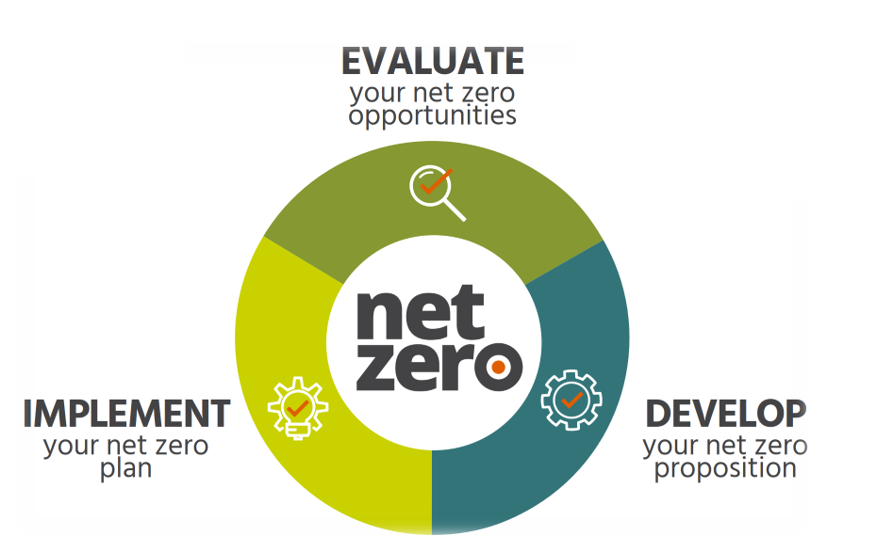
Reaching net-zero carbon emissions means balancing the amount of greenhouse gases emitted with the amount removed from the atmosphere. For green energy providers, this involves not only producing clean energy but also optimizing operations, reducing waste, and minimizing carbon-intensive processes. Here’s how data management solutions come into play:
The foundation of any data management strategy is robust data collection. Green energy providers gather data from various sources, including renewable energy generation, grid management, facility operations, and even weather patterns. Data integration platforms consolidate this information into a single, cohesive dataset.
Real-time monitoring of energy production and consumption is crucial for understanding fluctuations and optimizing resources. Data Management Solutions provide real-time dashboards and analytics that enable providers to react swiftly to changing conditions.
Predictive analytics algorithms use historical and real-time data to forecast energy demand and generation patterns. These forecasts aid in optimizing resource allocation and grid management, reducing waste, and improving overall efficiency.
To ensure a consistent energy supply, green energy providers often use energy storage solutions like batteries. Data Management Solutions help optimize the charging and discharging of these storage systems based on energy demand and pricing.
Achieving net zero requires accurate carbon accounting. Data Management Solutions track and report carbon emissions across the entire value chain, from energy generation to distribution and customer usage.
The integration of data from smart grid technologies allows for more efficient grid management. This includes load balancing, fault detection, and the ability to reroute energy flow in real time.
Data Solutions enable providers to engage with customers more effectively. They can provide insights into energy consumption patterns, offer personalized recommendations for energy savings, and even incentivize green behavior.
| Areas | Benefits |
| Improved Efficiency | Data-driven insights help optimize energy generation and distribution, reducing energy waste and operational costs. |
| Enhanced Reliability | Real-time monitoring and predictive analytics improve grid stability and reliability, ensuring a consistent energy supply |
| Emissions Reduction | Carbon accounting and optimization of renewable energy sources contribute to significant reductions in carbon emissions |
| Cost Savings | Efficient resource allocation and maintenance scheduling lead to cost savings, making green energy more competitive |
| Customer Satisfaction | Engaging customers with data-driven insights and personalized recommendations fosters a sense of partnership in sustainability efforts |
The measurement criteria help organizations comprehensively assess their progress toward a net-zero goal, guide decision-making, and demonstrate their commitment to sustainability to stakeholders. The specific metrics and priorities may vary depending on the industry, organization size, and regional factors.
Monitoring and reporting on GHG emissions is fundamental. Key categories to measure include:
Calculate the amount of carbon emissions per unit of energy produced or consumed. This metric helps assess the efficiency of energy use and carbon reduction efforts.
Track the percentage of energy consumed that comes from renewable sources, such as wind, solar, or hydroelectric power. Increasing this share is a key step towards carbon neutrality.
Measure the energy efficiency of operations, buildings, and equipment. Use metrics like energy use intensity (EUI) or energy performance indicators (EnPIs) to track improvements.
Track water consumption and implement water-saving measures where possible to reduce the environmental impact.
Assess the carbon footprint of your transportation fleet. Measure emissions from vehicles and consider alternative fuels, electric vehicles, or transportation optimization.
Collaborate with suppliers to collect data on their emissions and environmental practices, especially for Scope 3 emissions. Encourage suppliers to reduce their carbon footprint.
For green energy utility providers striving to reach net-zero carbon emissions, Data Management Solutions are indispensable tools. These solutions enable providers to harness the power of data to optimize energy generation, distribution, and carbon accounting. By embracing data-driven strategies, green energy providers can not only achieve their sustainability goals but also deliver reliable, cost-effective, and environmentally responsible energy solutions to customers worldwide. As the world shifts toward a more sustainable energy future, data management solutions will continue to play a central role in powering that transition.
Grep Digital has the experience of providing solutions to track and measure the GHG emissions towards sustainability improvements. We help enable many digital transformation projects across industry domain. Reach us for more information on how to plan and meet you net zero targets.

While the business world seems more unpredictable than ever, the contours of a post-Covid landscape are starting to come into focus. Here, our London Business School faculty sketch
Read more
Introduction In today's digital landscape, where data breaches and cyber threats are prevalent, ensuring robust cybersecurity measures is crucial for protecting sensitive informat
Read more
Introduction Conversational bot is one of the most exciting applications of NLP is the development of interactive and intelligent bots. These bots have the poten
Read more
The crypto tax law mandates that the taxpayer cannot carry forward cryptocurrency losses. Representative image Cryptocurrency Tax in India (FY 2022-2023): The Union Budget 2022 pr
Read more
More than 4 years have passed since the EU adopted the General Data Protection Regulation (GDPR). Now everyone in the business of apps has to comply with the privacy regulations or
Read more Technogrep Solutions LLP
HD-022, WeWork Pavilion,
62/63 The Pavilion Church Street,
MG Road, Bangalore,
India-560001
✉ info @ grepdigital.com
